Bubble Pink Font: Elevating Digital Brand Identity
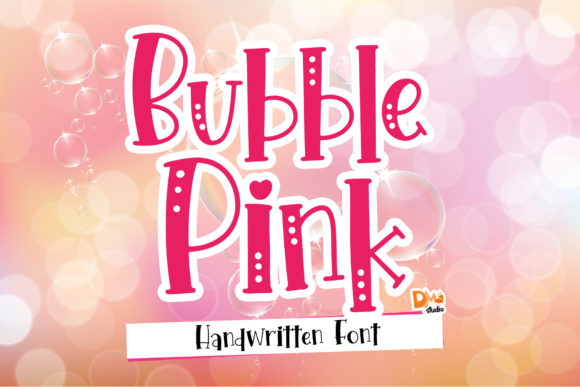
In the competitive landscape of web design and digital product creation, typography is often the defining factor between a generic template and a memorable brand experience. As designers, we constantly search for typefaces that balance aesthetic appeal with functional clarity. Bubble Pink emerges as a spectacular handwritten font that bridges this gap, offering a unique blend of organic charm and digital versatility. Unlike rigid geometric sans serifs or traditional formal scripts, this typeface brings a human touch to screens without sacrificing modern usability. For UI designers and digital creators, integrating Bubble Pink into a design system can transform static layouts into engaging, conversion-focused narratives.
The Role of Handwritten Typography in Modern Web Design
Digital interfaces have evolved beyond sterile grids and uniform text blocks. Users now crave authenticity and personality in their online interactions. Bubble Pink serves as a powerful tool for establishing this emotional connection. Its visual characteristics suggest approachability and creativity, making it an ideal candidate for brands that want to appear accessible yet professional. When used strategically, this script font disrupts the monotony of standard web typography, guiding the user’s eye to critical information while reinforcing brand tone.
However, the application of a handwritten font requires intention. It is not merely a decorative afterthought but a functional element of visual hierarchy. In landing page design, where attention spans are fleeting, Bubble Pink acts as a visual anchor. It signals to the user that specific content—be it a value proposition, a testimonial, or a special offer—is distinct from the surrounding body copy. This differentiation is crucial for scanning behavior, helping users process information quickly and reducing cognitive load.
Strategic Applications Across Digital Touchpoints
Versatility is the hallmark of a premium font, and Bubble Pink excels across various digital environments. Its utility extends far beyond simple logo design, permeating every aspect of a cohesive web strategy:
- Hero Sections and Headlines: Use Bubble Pink for primary H1 or H2 tags to create an immediate emotional hook. The organic flow of the letterforms contrasts beautifully with structured layout grids, adding dynamic energy to above-the-fold content.
- Call-to-Action (CTA) Accents: While body text should remain highly legible, using this font for supporting CTA text (e.g., "Limited Offer" or "Join Us") can increase click-through rates by drawing attention through stylistic contrast.
- E-Commerce Banners: For boutique online stores, Bubble Pink adds a curated, artisanal feel to product categories and promotional banners, distinguishing the shop from mass-market retailers.
- Content Marketing Assets: Blog headers, social media graphics, and newsletter designs benefit from the consistent use of this typeface, ensuring brand recognition across disparate platforms.
- Course and Coaching Pages: Educational and personal branding sites rely on trust. The handwritten nature of Bubble Pink mimics personal correspondence, fostering intimacy between the creator and the audience.
Optimizing Readability and Visual Hierarchy
A common pitfall in using script fonts for web design is compromising readability for style. Bubble Pink is designed with digital legibility in mind, but proper implementation is key. As a display font, it performs best at larger sizes where the intricate details of the handwritten strokes remain crisp. On mobile devices, where screen real estate is limited, it is vital to test scaling rigorously. Ensure that line height and letter spacing are adjusted to prevent characters from colliding or becoming illegible against complex backgrounds.
Visual hierarchy dictates how users consume content. Bubble Pink should be reserved for high-impact moments rather than extended reading. Pairing it correctly is essential for maintaining professional standards. A robust design system might utilize Bubble Pink for headings and accents while relying on a clean, neutral sans serif font for body paragraphs, navigation menus, and footer links. This combination ensures that the decorative elements enhance rather than hinder the user experience. Alternatively, pairing it with a classic serif font can evoke an editorial, magazine-style aesthetic suitable for fashion, lifestyle, or luxury digital products.
Technical Considerations for Web Implementation
Before deploying any creative font to a live environment, technical due diligence is necessary. Verify that the webfont files (WOFF2/WOFF) are optimized for performance to avoid impacting Core Web Vitals. Check for OpenType features; many premium handwritten fonts include alternates, swashes, and ligatures that allow for custom tailoring within CSS. These features enable designers to avoid repetitive character shapes in headlines, maintaining the natural irregularity of true handwriting.
Contrast ratios must also be considered for accessibility. Handwritten fonts often have varying stroke widths, which can affect WCAG compliance. Always test Bubble Pink against both light and dark backgrounds to ensure sufficient contrast. If using the font over photography or video backgrounds, apply subtle overlays or text shadows to maintain legibility without obscuring the underlying visual asset. Responsive typography settings should be implemented to scale the font fluidly across breakpoints, ensuring the intended impact is preserved from desktop monitors to smartphone screens.
Licensing and Commercial Usage for Digital Products
For SaaS founders, agency owners, and freelance designers, understanding font licensing is as important as the design itself. Bubble Pink falls under specific commercial licensing terms that dictate its usage. Standard desktop licenses typically cover static design assets like social media graphics and packaging design, but web projects often require a separate webfont license based on monthly page views or domain count.
If you are creating digital templates, themes, or apps for resale, verify whether the license permits embedding or redistribution. Many foundries require an extended or app-specific license for these use cases. Proper licensing protects your clients and your business from legal complications while supporting the type designers who create these valuable assets. Always review the End User License Agreement (EULA) included with the download to confirm coverage for all intended digital applications, from client websites to proprietary software interfaces.
Building Consistent Brand Identity
Ultimately, typography is a voice. Bubble Pink offers a distinct dialect within the broader language of web design. By integrating this typeface thoughtfully into your design system, you move beyond decoration and toward strategic communication. Whether refining a portfolio site, launching a new e-commerce venture, or refreshing a corporate blog, the right font choice signals quality and intention. It tells the user that every pixel has been considered.
Consistency breeds trust. When Bubble Pink is applied systematically across headers, ads, and product pages, it creates a unified visual thread that strengthens brand recall. In a digital ecosystem saturated with similar-looking templates, this level of typographic distinction is a competitive advantage. It transforms passive viewers into engaged participants, proving that even in the digital realm, the human touch remains a powerful driver of connection and conversion.