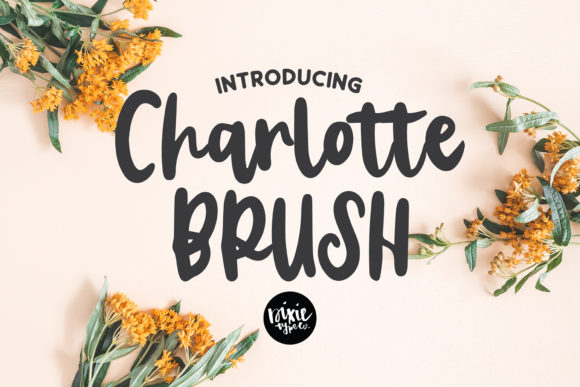
Charlotte Brush Font: Authentic Handwritten Style for Business Branding
As a small business owner, you know that every visual touchpoint matters. From the logo on your website header to the thank-you card tucked inside a shipping box, typography communicates your brand’s personality before a customer even reads a single word. Finding a typeface that feels both professional and genuinely personal can be a challenge, but Charlotte Brush offers a unique solution. This stunning pairing of a brush pen and pencil creates an incredibly endearing and authentic aesthetic that resonates with modern consumers who crave human connection in a digital marketplace.
Charlotte Brush is more than just a decorative element; it is a strategic design asset for entrepreneurs. Whether you are launching a handmade candle line, rebranding a local café, or refreshing your coaching business visuals, this handwritten font brings warmth without sacrificing legibility. It bridges the gap between casual creativity and established trust, making it an ideal choice for businesses that want to appear approachable yet polished.
Cultivating Trust Through Authentic Typography
In the current landscape of Script Amp and creative fonts, authenticity is currency. Customers are increasingly drawn to brands that feel transparent, artisanal, and human-made. Charlotte Brush captures this mood perfectly through its dual-texture design. The interplay between the bold confidence of a brush stroke and the delicate precision of a pencil line mimics natural handwriting while maintaining the consistency required for professional branding.
This visual balance is crucial for building trust. A font that looks too perfect can feel sterile or corporate, while one that is too messy can appear unprofessional. Charlotte Brush sits in the sweet spot. When used on product labels or packaging design, it signals to the customer that care and attention to detail went into the creation of the item. For service providers like wedding planners or therapists, this typeface suggests empathy and personal attention, helping to lower barriers and invite engagement before the first consultation even occurs.
Practical Applications Across Business Touchpoints
Versatility is key when investing in premium font assets for a growing business. You need a typeface that performs well across various mediums without losing its character. Charlotte Brush adapts beautifully to real-world business materials:
- Product Packaging and Labels: Use Charlotte Brush as the primary display font for jar labels, box lids, or hang tags. Its textured appearance stands out against matte paper or kraft backgrounds, reinforcing an organic or handmade brand identity.
- Social Media Graphics: On platforms like Instagram and Pinterest, readability at small sizes is non-negotiable. This font works exceptionally well for quote overlays, announcement banners, and story highlights because the brush elements provide weight while the pencil details add intrigue without creating visual clutter.
- Customer Experience Materials: Elevate your unboxing experience by using this typeface on thank-you cards, return policy inserts, or stickers. It transforms standard transactional documents into memorable brand interactions that encourage social sharing and repeat business.
- Signage and Menus: For brick-and-mortar businesses like bakeries or boutiques, Charlotte Brush serves as an excellent headline font for chalkboards or printed menus. It guides the eye to specials and featured items while maintaining a cohesive interior design aesthetic.
Strategic Font Pairing for Professional Hierarchy
While Charlotte Brush is a star performer, it should rarely work alone. Effective brand identity relies on strong font pairing to create visual hierarchy and ensure readability. As a display font, Charlotte Brush shines brightest when supported by cleaner, more neutral typefaces.
For body copy, product descriptions, or legal text, pair this script font with a simple sans serif font. A geometric sans serif provides a modern contrast that grounds the whimsy of the brush strokes, ensuring your website remains accessible and easy to scan. Alternatively, pairing Charlotte Brush with a classic serif font can evoke a sense of heritage and tradition, which works wonderfully for luxury beauty brands or artisanal food producers.
When designing logos, consider using Charlotte Brush for the brand name and a complementary sans serif for the tagline. This combination ensures the logo is distinctive enough to be trademarked and recognizable, while the supporting text remains legible at favicon sizes or on embroidered merchandise. Always test these pairings in context; what looks good on a desktop monitor might need adjustment for mobile screens or printed business cards.
Navigating Readability and Scale
One of the most practical concerns for business owners is how a creative font translates across different scales. Handwritten fonts can sometimes become illegible when shrunk down for ingredient lists or expanded for large-format signage. Charlotte Brush mitigates this risk through its thoughtful construction, but testing is still essential.
Before finalizing your brand guidelines, print your designs at actual size. Check how the pencil textures hold up on low-quality paper versus premium cardstock. Test social media templates on a phone screen to ensure the brush strokes do not bleed together. If you are using the font for web design, verify that it loads quickly and renders clearly across different browsers. Remember that while Charlotte Brush is expressive, it should never compromise the user's ability to find information or make a purchase.
Licensing and Commercial Considerations
Protecting your business also means respecting intellectual property. Before incorporating Charlotte Brush into your marketing strategy, always review the specific commercial font licensing terms. Licenses vary significantly between personal use, commercial use, and extended commercial use.
If you plan to use the font on products intended for resale, such as printed t-shirts, mugs, or digital templates, you will likely need an extended license. Standard commercial licenses typically cover branding, packaging, and advertising but may not cover merchandise where the font itself is the primary value of the product. Clarifying these details upfront prevents legal headaches down the road and supports the type designers who create these valuable assets.
Integrating Charlotte Brush into your visual identity is an investment in your brand’s emotional resonance. By combining its authentic charm with strategic design principles and proper licensing, you create a cohesive, trustworthy, and memorable presence that helps your small business stand out in a crowded market. Whether applied to a boutique logo or a digital ad campaign, this typeface offers the perfect blend of artistry and utility for the modern entrepreneur.