Happy Woldy Font: Sweet Handwritten Style for Crafters
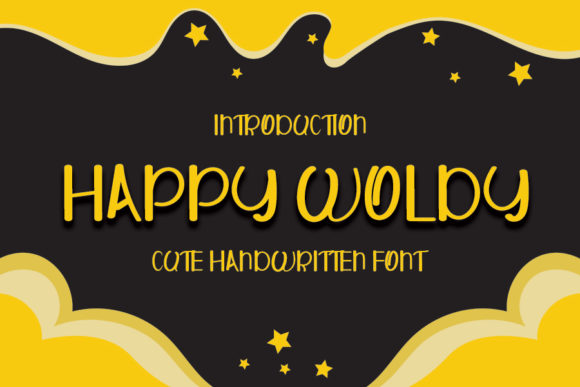
As a small business owner and creator, finding the perfect typeface often feels like searching for a needle in a haystack. We need something that balances personality with professionalism, charm with clarity, and style with commercial viability. Happy Woldy is a simple and cute handwritten font that hits this sweet spot beautifully. Featuring sweet and round letters, its versatility matches a wide variety of designs, making it an essential addition to your digital asset library. When you add it to your creative ideas, you will notice how it instantly softens your aesthetic while maintaining the polished look necessary for selling physical products and digital downloads.
The Visual Personality of Happy Woldy
In the crowded marketplace of Script Amp fonts, Happy Woldy stands out because it avoids being overly ornate or difficult to decipher. Many script fonts sacrifice readability for flair, but this typeface prioritizes a clean, approachable hand-lettered feel. The rounded terminals and consistent x-height give it a friendly, welcoming vibe that resonates deeply with customers looking for handmade authenticity. It does not look like a rigid computer-generated text; instead, it mimics the natural flow of a marker or brush pen without the messy ink blots that can plague cutting machine projects.
This visual warmth is crucial for brand identity. Whether you are designing packaging for organic skincare, creating birthday party printables, or branding a cozy coffee shop, the font sets an immediate emotional tone. It suggests care, joy, and personal attention. For crafters using Cricut or Silhouette machines, the smooth curves of Happy Woldy mean fewer weeding headaches and cleaner vinyl applications on mugs, tumblers, and car decals. The simplicity of the letterforms ensures that even at smaller sizes, the characters remain distinct and legible, which is vital for product labels and tags where space is limited.
Practical Applications for Handmade Sellers
Versatility is the hallmark of a profitable design asset. Happy Woldy excels across multiple product categories because it adapts to the context without losing its core character. Here is how this premium font translates into real-world sales opportunities:
- Product Packaging and Labels: Use Happy Woldy for candle labels, soap sleeves, and boutique hang tags. Its roundness pairs perfectly with minimalist packaging, adding a touch of whimsy to otherwise plain kraft paper or clear stickers. Customers perceive hand-styled typography as higher value than standard serif or sans serif font choices.
- Wedding and Event Stationery: While elegant scripts have their place, modern couples often prefer relaxed, joyful typography. This font works wonderfully for welcome signs, seating charts, menu cards, and favor tags. It feels intimate and celebratory without being stuffy, making it ideal for garden weddings, baby showers, and children’s parties.
- Digital Printables and Planners: For creators selling PDF downloads, readability is paramount. Happy Woldy serves as an excellent display font for headers, quotes, and section titles in planners, journals, and wall art. It breaks up dense text blocks and adds visual interest to educational materials or inspirational posters.
- Apparel and Merchandise: T-shirts, tote bags, and sweatshirts require fonts that read well from a distance. The bold, rounded nature of this handwritten font ensures your slogans and names pop against fabric textures. It is particularly effective for seasonal merchandise, holiday greetings, and personalized gifts.
Mastering Font Pairings and Layouts
To maximize the impact of Happy Woldy, you must pair it strategically. Because it has such a distinct, rounded personality, it needs a grounding partner. Avoid pairing it with other decorative scripts, as this creates visual competition and reduces legibility. Instead, embrace contrast.
For a modern, clean aesthetic, pair Happy Woldy with a geometric sans serif font. The structured neutrality of a sans serif allows the handwritten elements to shine as the focal point. This combination is perfect for logo design, social media graphics, and web design banners. If you are aiming for a more traditional or vintage farmhouse look, try pairing it with a classic serif font. The sharp edges of a serif provide a sophisticated counterpoint to the soft curves of Happy Woldy, creating a balanced hierarchy suitable for formal invitations or luxury packaging.
When laying out your designs, treat Happy Woldy as a display element. It is best suited for short phrases, names, titles, and decorative wording rather than long paragraphs of body copy. Use it to guide the customer’s eye to the most important information, such as the product name, the recipient's name, or a special offer. In SVG-style designs, ensure there is adequate breathing room around the lettering. Crowding the text diminishes its charm and makes cutting or printing more prone to errors.
Technical Considerations for Production
Before finalizing your designs, always inspect the specific features included with Happy Woldy. Check for alternate characters, ligatures, and swashes that can customize the look of your project. These extras allow you to avoid repetitive letterforms in longer words, keeping the handwritten illusion intact. Multilingual support is another critical factor if you sell internationally or serve diverse communities; verifying language coverage prevents missing glyph issues on international orders.
Readability testing is non-negotiable. What looks beautiful on a 27-inch monitor may become illegible when printed on a 2-inch sticker or cut from glitter vinyl. Always create physical mockups or test cuts before listing a new product. Pay attention to line weight; if the font is too thin, it may not adhere properly to textured surfaces or may break during the weeding process. Conversely, if it is too thick at small sizes, the counters (the enclosed spaces in letters like 'a' or 'o') might fill in during printing. Adjusting the tracking or scaling the design slightly can often resolve these production hurdles without compromising the aesthetic.
Navigating Commercial Licensing
As a seller, protecting your business means respecting intellectual property. Always verify the commercial font licensing terms for Happy Woldy before using it in products intended for sale. Licenses vary significantly between designers. Some permit unlimited physical product sales but restrict digital templates or end-use items like customizable Canva templates. Others may require an extended license for high-volume sales or specific merchandise categories like apparel or home decor.
Understanding these distinctions safeguards your shop from legal issues and supports the type designers who create these valuable tools. Keep records of your license purchases and review them periodically, especially if you expand your product line. A valid commercial license is not just a legal requirement; it is a mark of professional integrity that reassures clients and partners of your commitment to ethical business practices. When you use Happy Woldy correctly and legally, it becomes more than just a pretty set of letters—it becomes a reliable foundation for building a recognizable, beloved brand that customers return to again and again.