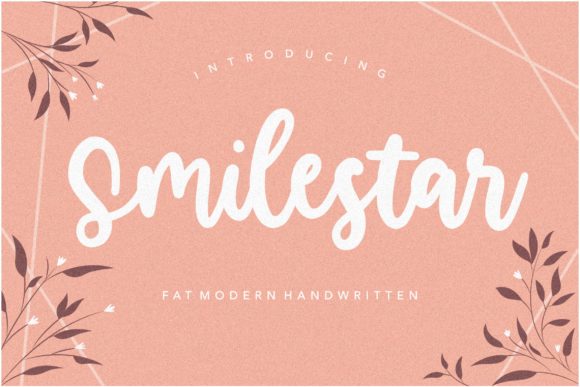
Smilestar Font: Elevate Small Business Branding
As a small business owner, I know that every visual touchpoint matters. From the logo on my website header to the thank-you card tucked inside a shipping box, typography is often the silent ambassador of my brand. Finding a typeface that balances personality with professionalism can be a challenge, but Smilestar simplifies elegance into one truly outstanding handwritten font. It is not just another decorative script; it is a versatile tool for entrepreneurs who need their branding to look cohesive, trustworthy, and distinctively human across both digital and physical platforms.
Defining the Personality of Smilestar
Smilestar falls into the category of modern script fonts, but it avoids the overly ornate or illegible tendencies that plague many handwritten typefaces. Its style is approachable yet refined, offering a sense of bespoke craftsmanship that resonates deeply with customers looking for authentic brands. The letterforms have a natural flow that mimics high-quality hand lettering without feeling messy. This balance is crucial for business owners because it conveys warmth and personal attention while maintaining the polish required for premium packaging and professional marketing materials.
The mood of this font is inherently optimistic and welcoming. For service providers, boutique owners, and creative entrepreneurs, this emotional connection is valuable. When a potential client sees your Instagram ad or picks up your product label, Smilestar communicates that there is a real person behind the business. It transforms standard text into a visual experience that feels curated rather than automated, helping to establish immediate trust with your audience.
Practical Applications Across Business Touchpoints
Versatility is the hallmark of a good commercial font, and Smilestar performs exceptionally well in varied contexts. As a display font, it shines brightest when used for headlines, logos, and short statements. Here is how I have found it most effective in real-world business scenarios:
- Product Packaging and Labels: For handmade candle makers, beauty brands, or artisanal food sellers, Smilestar adds a premium feel to jar labels and box designs. Its elegant strokes stand out beautifully against textured paper or minimalist backgrounds, making the product feel like a luxury item even at an accessible price point.
- Social Media Graphics: On platforms like Instagram and Pinterest, readability at small sizes is non-negotiable. Smilestar remains legible even in thumbnail views, making it perfect for quote overlays, sale announcements, and story highlights. It captures attention in a crowded feed without sacrificing clarity.
- Website Banners and Headers: Using this typeface for hero text or section dividers on your website creates a welcoming entry point for visitors. It pairs particularly well with clean photography, guiding the user’s eye to key value propositions or calls to action.
- Customer Correspondence: Printing thank-you cards, invoices, or welcome guides with Smilestar elevates the unboxing experience. It turns a transactional document into a memorable brand interaction that encourages customer loyalty and social sharing.
- Café Menus and Signage: For hospitality businesses, menu headers and chalkboard specials written in Smilestar feel inviting and easy to read from a distance. It strikes the right note between casual comfort and upscale dining.
Ensuring Readability and Professional Consistency
While aesthetic appeal is important, functionality drives business results. A font must be readable to be effective. Smilestar excels here because its character spacing and stroke weight are optimized for both print and screen. However, as with any expressive typeface, best practices apply. Avoid using it for long paragraphs or dense body copy. Reserve Smilestar for titles, names, signatures, and short phrases where its personality can breathe.
Consistency builds recognition. If you choose Smilestar as your primary display font, use it systematically. Do not switch between three different script fonts across your business cards, website, and packaging. Pick one signature style and stick to it. This repetition trains your customers to associate that specific visual rhythm with your brand, making your marketing assets instantly recognizable whether they appear in a Facebook ad or on a shelf in a retail store.
Strategic Font Pairing for Balanced Design
To maximize the impact of Smilestar, pair it with a supporting typeface that provides contrast and handles the heavy lifting of information delivery. A clean sans serif font like Montserrat, Open Sans, or Lato works beautifully as a counterpart. The geometric simplicity of a sans serif grounds the fluidity of Smilestar, ensuring that your pricing, ingredients lists, and contact details remain perfectly legible.
Alternatively, pairing Smilestar with a classic serif font can create a more traditional or editorial look, suitable for law firms, coaching practices, or heritage brands. The key is to let Smilestar be the star of the show while the secondary font acts as the reliable narrator. Never pair two highly decorative scripts together, as this creates visual noise and confuses the hierarchy of information.
Testing Before Committing to Your Brand Identity
Before rolling out a new typeface across your entire brand identity, test it in context. What looks beautiful in a font preview window might behave differently on a curved bottle label or a mobile screen. Print out mockups of your packaging at actual size. View your social media templates on a phone rather than a desktop monitor. Check how Smilestar interacts with your existing color palette and logo mark.
Pay special attention to capitalization. Handwritten fonts often look best in title case or all lowercase. All-caps usage can sometimes reduce legibility and alter the intended friendly tone of the typeface. Experiment with different casing styles to see what aligns best with your specific industry and target demographic. This testing phase prevents costly reprinting errors and ensures your brand looks polished from day one.
Navigating Commercial Licensing for Entrepreneurs
One critical aspect of using design assets professionally is understanding licensing. Smilestar is a premium font, and respecting intellectual property is part of running a legitimate business. Always verify the commercial license terms before using the font on products for sale, client work, merchandise, or digital downloads. A standard desktop license typically covers branding and marketing materials, but specific uses like embedding in apps, selling templates, or large-scale manufacturing may require an extended license.
Investing in the correct license protects your business from legal issues and supports the type designers who create these valuable tools. When you purchase a proper commercial license, you are not just buying a file; you are securing the right to build a sustainable, professional brand identity. Keep your license documentation organized alongside your other business assets for future reference.
Ultimately, Smilestar offers small business owners a practical way to infuse elegance and consistency into their visual communications. By applying this handwritten font thoughtfully across logos, packaging, web design, and social media graphics, you create a cohesive brand experience that feels both professional and personally crafted. In a marketplace saturated with generic visuals, choosing a distinctive typeface like Smilestar is a strategic decision that helps your business stand out, connect authentically, and grow with confidence.